
Bitumen Membrane vs Liquid Waterproofing: Which Is Better for Your Project?
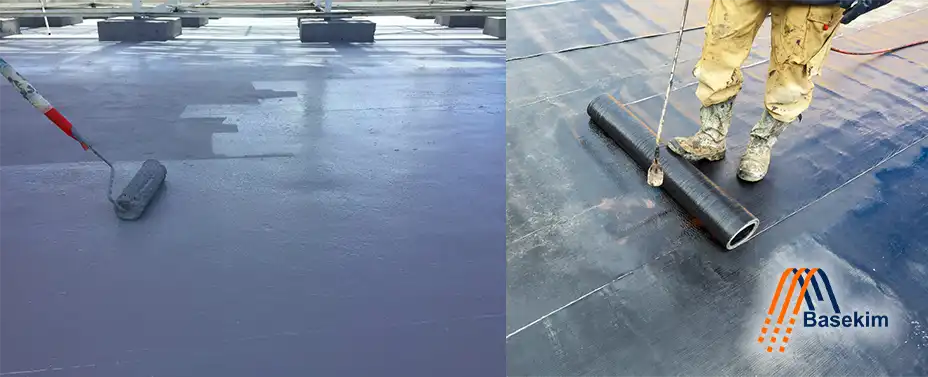
Choosing the right waterproofing system can directly impact the durability, maintenance needs, and long-term performance of a building. When professionals compare Bitumen Membrane vs Liquid Waterproofing, they usually focus on factors such as installation process, durability, flexibility, repair requirements, cost efficiency, and suitability for different applications.
Both solutions offer reliable protection against water damage, but they perform differently under various conditions. Understanding the strengths and limitations of each option helps property owners, contractors, and engineers select the most effective waterproofing method for their projects.
Bitumen Membrane vs Liquid Waterproofing: Performance Comparison
Performance remains one of the most important factors when selecting a waterproofing system. Bitumen membrane systems provide strong resistance against moisture penetration and perform well in areas that require a robust protective layer. Their structured application creates a consistent barrier that can handle demanding environmental conditions.
Liquid waterproofing systems offer excellent adaptability because they create a seamless protective coating across surfaces. This advantage allows them to cover complex shapes, corners, and areas where traditional systems may face installation challenges.
When comparing Bitumen Membrane vs Liquid Waterproofing, the better choice depends on project requirements. Large and straightforward surfaces often benefit from membrane solutions, while areas with complicated designs may achieve better results with liquid applications.
Installation Process and Application Flexibility: Bitumen Membrane vs Liquid Waterproofing
Installation plays a major role in waterproofing success. A waterproofing system can only deliver maximum performance when professionals apply it correctly.
Bitumen membrane installation requires careful surface preparation and precise placement. Contractors need to ensure proper alignment, strong adhesion, and accurate joint treatment. Any mistakes during installation can affect overall waterproofing performance.
Liquid waterproofing offers greater flexibility during application because installers can apply the material directly over different surface shapes. The seamless finish reduces weak points and helps protect areas with multiple joints, penetrations, or irregular designs.
For projects that involve detailed surfaces, liquid waterproofing often provides a practical advantage. However, experienced professionals can install both systems effectively when they follow proper procedures.
Durability and Long-Term Protection
Durability remains a key consideration in any waterproofing decision. A high-quality waterproofing system should protect structures from water intrusion, weather exposure, and regular environmental stress.
Bitumen membrane systems have a strong reputation for durability because they provide a thick protective layer. They can withstand harsh conditions and offer reliable performance in many commercial and residential applications.
Liquid waterproofing systems also provide long-term protection when professionals select suitable materials and apply them correctly. Their seamless surface helps reduce the risk of water movement through gaps or joints.
In the comparison of Bitumen Membrane vs Liquid Waterproofing, both options can achieve excellent durability. The final performance depends on material quality, installation standards, maintenance practices, and environmental conditions.
Resistance Against Movement and Cracks
Buildings naturally experience movement caused by temperature changes, structural settling, and environmental factors. A waterproofing system must handle these changes without losing effectiveness.
Liquid waterproofing systems usually provide higher flexibility because their coating can expand and contract with surface movement. This characteristic makes them suitable for structures that experience frequent temperature variations or minor surface changes.
Bitumen membranes provide strong protection but may require additional consideration in areas where significant movement occurs. Proper installation techniques and suitable materials help improve their performance in these conditions.
When flexibility becomes a priority, liquid waterproofing often provides an advantage. When strength and heavy-duty protection matter more, bitumen membrane systems remain a reliable option.
Maintenance and Repair Requirements
Every waterproofing system requires proper maintenance to maintain its performance over time. However, repair methods can differ between these two solutions.
Bitumen membrane systems usually allow targeted repairs when damage occurs in specific areas. Professionals can identify affected sections and restore protection without replacing the entire system.
Liquid waterproofing systems simplify repair work because professionals can often apply additional coating over damaged areas. The seamless nature of the system helps create smooth restoration without major disruption.
The easier repair process of liquid waterproofing can reduce downtime and maintenance complexity, especially in projects where quick restoration matters.
Cost Considerations and Project Budget
Budget decisions influence many construction choices, including waterproofing selection. However, the lowest initial cost does not always create the best long-term value.
Bitumen membrane systems may provide cost-effective performance for large-scale projects because they cover wide areas efficiently. Their durability can also reduce replacement frequency when professionals install them correctly.
Liquid waterproofing may involve different cost factors depending on surface complexity, material selection, and application requirements. Although some projects may require higher initial investment, the seamless protection and application flexibility can provide long-term benefits.
A proper cost comparison between Bitumen Membrane vs Liquid Waterproofing should consider installation expenses, maintenance needs, repair costs, and expected service life.
Best Applications for Each Waterproofing System
Different projects require different waterproofing approaches. The ideal solution depends on surface conditions, environmental exposure, and performance expectations.
Bitumen membrane systems often suit projects that require strong protection over large, uncomplicated surfaces. They work effectively where contractors need a durable waterproof layer with proven performance.
Liquid waterproofing systems work well in projects that involve complicated structures, detailed surfaces, and areas with multiple joints. Their seamless application makes them suitable for locations where traditional methods may create installation difficulties.
Instead of choosing a system based only on popularity, project owners should evaluate the specific requirements of their buildings.
Bitumen Membrane vs Liquid Waterproofing: Final Verdict
The choice between Bitumen Membrane vs Liquid Waterproofing depends on the goals of each project. Both systems offer valuable waterproofing benefits, but they provide different advantages.
Bitumen membranes deliver strong durability, reliable protection, and excellent performance for large surface applications. They remain a trusted choice for many construction projects that require a strong waterproof barrier.
Liquid waterproofing provides flexibility, seamless coverage, and easier application on complex surfaces. It offers practical advantages where movement resistance and detailed coverage become important factors.
For the best results, professionals should evaluate the building design, environmental conditions, expected lifespan, and maintenance requirements before selecting a waterproofing system.
A well-planned waterproofing decision protects structures, reduces future repair expenses, and improves overall building performance. Whether a project requires the strength of a membrane system or the adaptability of liquid waterproofing, choosing the right solution ensures long-lasting protection against water damage.