
While winter is beautiful, it also presents special difficulties for paved surfaces. Effective winter asphalt maintenance helps protect roadways, driveways, and parking lots from cracking, deterioration, and costly repairs caused by freeze‑thaw cycles and harsh weather conditions.
Proper asphalt care in cold weather involves preparation before winter arrives, active protection throughout the season, and recovery strategies once temperatures begin to rise. Every property owner and maintenance crew should be aware of the fundamental procedures listed in the guide that follows.
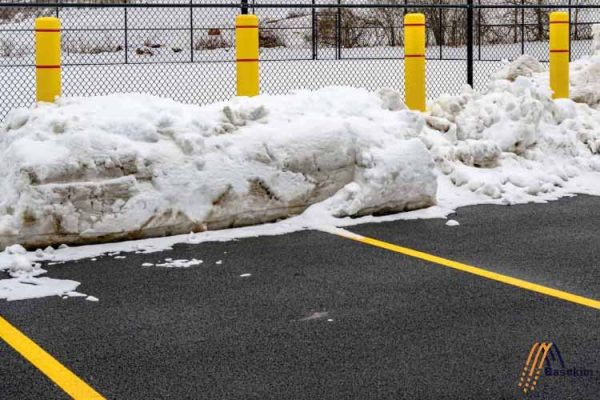
Understanding Asphalt Properties in Cold Conditions
Asphalt becomes more brittle and less flexible as the temperature drops. The surface shrinks, and small surface imperfections can grow into large fractures. Understanding how low temperatures, moisture, and salts affect pavement materials is essential for maintaining asphalt in winter conditions. Winter asphalt maintenance must foresee how the pavement will respond to cold temperatures and stop damage before it begins.
The performance of asphalt in the winter is influenced by various binders. For instance, bitumen SS1 is occasionally used to increase ductility at lower temperatures, making the mix more resilient to thermal stress and contraction. Without proper planning, a single season of freeze-thaw cycles can quickly erode the pavement’s integrity.
It’s Important to Prepare for Winter
Long before the first frost, the groundwork for efficient winter asphalt maintenance is established. Asphalt surfaces that are prepared are more resilient to the harshest effects of winter. Surface assessment, cleaning, and the use of suitable sealing techniques are all part of preparation.
Any cracks or depressions should be checked for and fixed before the cold weather arrives. As trapped moisture freezes and expands in the winter, tiny cracks that are visible in the fall can suddenly open up. Sealing those weak spots early on is the first step in caring for asphalt in cold climates to stop water intrusion and the ensuing freeze damage.
Debris removal and proper drainage are further preventive measures. Surface deterioration is significantly accelerated when water collects on the surface and turns into ice. Pavement is far more resilient to winter stresses when cracks, potholes, and drainage problems are fixed beforehand.
Selecting Appropriate Materials for Cold Climates
Winter asphalt maintenance is more effective when low-temperature-appropriate materials are used. Binder and aggregate combinations used in asphalt mixes intended for cold climates preserve strength and flexibility even after extended exposure to cold temperatures.
In winter conditions, binders’ stiffness and performance grade are crucial. Materials such as bitumen 80/100 are chosen for their balance of low-temperature ductility and adhesive strength, and they offer dependable performance over a range of temperatures. Choosing the appropriate binder for your local climate improves the pavement’s ability to withstand surface splitting and cracking.
Choosing the right materials has a direct impact on how well asphalt endures freeze-thaw cycles. Longer pavement life depends on materials that can withstand mechanical stress and alternate between freezing and thawing. In addition to being more resistant to cracking, high-quality asphalt reacts better to winter maintenance treatments.
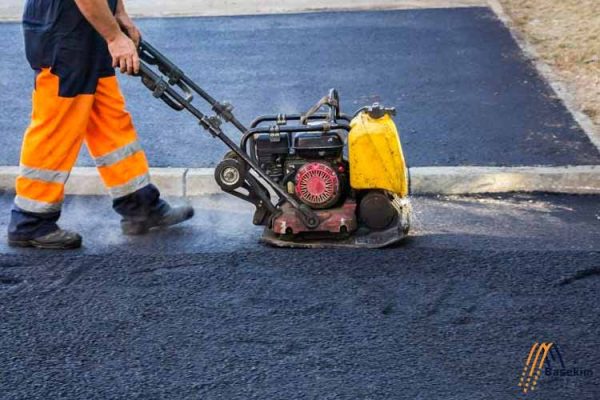
The Function of Crack Filling and Sealing
Using efficient sealing methods is essential for maintaining asphalt in cold climates. Sealing reduces the rate at which chemicals, oxygen, and water enter the pavement structure. Sealing, when done prior to winter, prevents trapped moisture from suddenly expanding during freezing events.
Another essential part of winter asphalt maintenance is crack filling. Preventing the expansion of cracks prevents moisture from penetrating and freezing the pavement. To guarantee appropriate adhesion and durability, these treatments must be applied when the temperature is higher than freezing. Late-season application of sealants and crack fillers can result in temporary fixes that break under the strain of winter.
Sealing and filling greatly lessen the severity of common problems, but they do not completely prevent winter damage. The asphalt’s service life is increased, and surface integrity is improved with prompt intervention using the proper sealants.
Controlling Snow and Ice Without Endangering Asphalt
Controlling snow and ice is one of the most difficult parts of winter asphalt maintenance. In addition to making surfaces dangerous and slick, snow and ice can harm pavement if not managed carefully. The goal of efficient snow removal and de-icing techniques is to minimize damage to asphalt surfaces while preserving user safety.
When used properly, plows can remove snow without dragging or damaging the pavement. Properly trained drivers steer clear of sharp edges and excessive pressure that can tear asphalt. Chemical de-icers must be carefully chosen and used in addition to mechanical removal. Overuse of harsh chemicals and salts can hasten the deterioration of asphalt.
In winter asphalt maintenance, salt substitutes that reduce corrosion and chemical damage are becoming more and more popular. To lessen surface stress and maintain pavement integrity, these substitutes frequently complement better snow removal techniques. Results are also influenced by the speed and timing of snow removal: early intervention avoids large accumulations that are more difficult to remove without causing surface damage.
Knowing the Effects of Freeze-Thaw Cycles
The freeze-thaw cycle is one of the most destructive processes of winter. Tiny pores in the asphalt allow water to enter, freeze, expand, and then thaw. The pavement is progressively eroded by this cycle of expansion and contraction, leading to microfractures and eventually noticeable damage. In cold weather, responsible asphalt care acknowledges this process and takes steps to reduce its impact.
The first line of defense against freeze-thaw damage is sealing to prevent water infiltration. In order to prevent standing water from becoming a chronic problem, maintaining proper drainage is also necessary. Repeated freeze-thaw stresses brought on by ineffective water drainage accelerate pavement deterioration.
Regular inspection throughout winter identifies early signs of freeze-thaw damage. Observing changes in the surface allows maintenance teams to address emerging issues before they worsen. Prompt action can make the difference between a cheap fix and an expensive repaving project.
Monitoring and Maintenance Throughout the Season
Winter asphalt maintenance is not a once‑and‑done task. It demands consistent monitoring as conditions change. Pavement should be inspected after significant snowfalls, periods of thaw, and freezing events to assess surface condition and identify emerging problems.
If cracks or potholes begin to appear, prompt repairs prevent expansion and further degradation. Asphalt care in cold weather must be proactive rather than reactive. Small repairs when they first arise are easier and less costly than addressing large damaged areas later.
Throughout the winter, maintenance teams should record their activities and discoveries. Better planning for upcoming seasons and the prediction of deterioration patterns specific to a given climate or usage pattern are made possible by this record-keeping.
Planning for Spring Recovery
Once winter ends, another phase of maintenance begins. Spring recovery evaluates damage accumulated over the cold season and sets the stage for repairs and restoration. Assessing the full extent of winter’s effects allows for comprehensive planning of resurfacing, crack filling, and drainage improvements.
Spring assessments often reveal issues hidden by snow and ice. Potholes that were masked can now be filled, and cracks can be sealed before summer heat exacerbates the damage. Winter asphalt maintenance continues into spring, extending the benefits of winter treatments and ensuring that surfaces are ready for the next cycle of seasonal stresses.
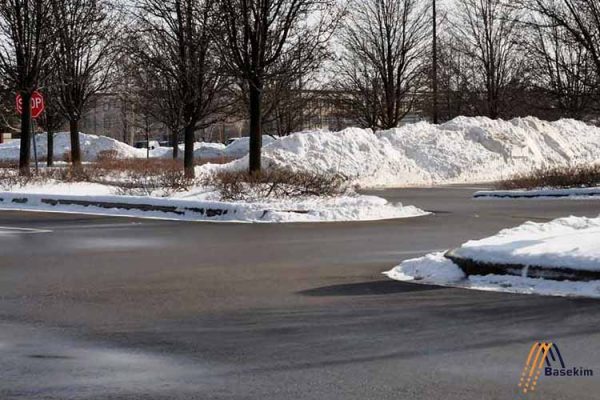
Long-Term Asphalt Durability Strategies
Long-term tactics also support continuous surface performance, even though immediate winter care is essential. Durability is increased through appropriate material selection, regular maintenance plans, and training in snow and ice control.
Stronger maintenance procedures may be needed for properties with high traffic volumes. Tracking performance over several seasons aids in improving results and refining strategies. Winter asphalt maintenance is part of a series of care procedures that prolong the life of paved surfaces rather than being limited to a single season.
It is also beneficial to teach maintenance workers asphalt protection techniques. Longer service life and fewer repairs are the results of knowing how plowing techniques, material selections, and prompt sealing affect pavement health.
Investing in Long-Lasting Pavement Health: A Conclusion
In cold climates, asphalt maintenance is essential for longevity and performance. With careful, proactive measures, asphalt can withstand seasonal stresses and remain a reliable surface for years. Proper planning and the use of correct techniques keep paved areas safe, functional, and visually appealing regardless of winter temperatures. Additionally, being aware of the bitumen price and selecting high-quality materials can significantly reduce maintenance and repair costs, making investment in asphalt upkeep more cost effective.