

What is Gilsonite?
Gilsonite is a naturally occurring solid hydrocarbon with a glossy black appearance and brittle texture. It is commonly used in asphalt paving, road construction, coatings, insulation, and oil well cementing, playing a key role in producing durable and high-performance industrial products.
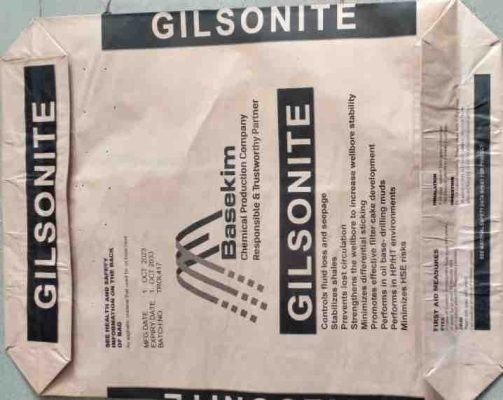
Other name of Gilsonite
Gilsonite, a naturally occurring hydrocarbon resin, is known by several names, reflecting its various uses and regional variations:
- Uintaite: The scientific name, named after the Uinta Basin in Utah.
- Natural Asphalt: Highlights its high carbon content and similarity to petroleum-based asphalt.
- Asphaltum: Historical term used in older mining and industrial records.
- Natural Bitumen: Describes its bituminous composition, commonly used in sealants and adhesives.
- Mineral Asphalt : Emphasizes its naturally occurring mineral-like properties.
- Hydrocarbon Resin :Used in inks, paints, and adhesives for its resinous nature.
- Black Asphaltite:Scientific and industrial reference to its dark color.
- Gilsonita: Spanish translation used in Latin America.
- Iran Gilsonite : Refers to Gilsonite sourced from Iran.
- Asphaltum Powder : Refers to powdered Gilsonite used in drilling fluids, paints, and coatings.
Properties and Composition of Gilsonite
Gilsonite is primarily composed of high-purity bituminous material, resulting in a high carbon content and low ash level.
Safety and NonToxic Features
Gilsonite is non-toxic and environmentally friendly, making it suitable for a wide range of industrial applications while posing no significant health risks. It does not emit any harmful gases during handling or processing, and exposure via skin contact or inhalation is generally considered safe under standard conditions.
Workers who handle Gilsonite face fewer chemical hazards than those who work with synthetic resins. Its inert nature makes it compatible with other materials like bitumen 80/100 without forming hazardous compounds. Proper dust control and ventilation are recommended in large-scale operations.
Purity, Grades, and Quality Control
Gilsonite is available in various grades based on carbon content, ash levels, and hardness. Premium grades contain nearly 99% carbon with minimal impurities, making them ideal for specialized applications in paints, coatings, and inks. Standard grades may have slightly higher ash levels, but they remain suitable for industrial use.
Quality control entails conducting systematic tests for moisture, particle size, and solubility to ensure consistency across production batches.

Different Forms of Gilsonite
Gilsonite is available in a variety of forms to meet industrial and commercial requirements:
Gilsonite Powder
Finely ground to ensure uniform distribution in mixtures. It increases durability and water resistance of bituminous surfaces and improves color depth and adhesion in inks and coatings.
Gilsonite Lump
Irregular solid chunks ideal for melting or blending into bitumen for paving roads and roofing. They improve durability, adhesion, and water resistance.
Gilsonite Liquid
Created by dissolving lumps or powders in appropriate solvents, resulting in a ready-to-use binder for asphalt, paint, and industrial coatings. Enables precise dosing, uniform mixing, and consistent application.
Gilsonite Mines and Global Sources
Gilsonite is mined in several parts of the world, with major deposits in North America, the Middle East, and Asia. We’ll go into more detail below.
Gilsonite Mines of Iran
Iran has extensive Gilsonite reserves, particularly in its western provinces. Iranian Gilsonite is known for its high carbon content, low moisture, and low ash content, making it ideal for industrial use. The mining process entails extracting large lumps and converting them into various forms, such as powder and liquid.
These deposits often coexist with other hydrocarbon resources, allowing for integrated production of bitumen 115/15 products. Quality control in Iranian mines ensures uniformity in particle size and chemical composition, ensuring a consistent Gilsonite price in international markets. Customers can buy Gilsonite with confidence knowing that it has been thoroughly tested and certified by Iranian suppliers.
Indications of Gilsonite in the World
Significant deposits also exist in the United States, Venezuela, and Kazakhstan, each with distinct hardness, carbon content, and ash levels.
Specifications and Certifications
Gilsonite is manufactured to meet international industrial standards, resulting in consistent performance in a wide range of applications. Next, we will discuss specifications and certifications.
Gilsonite Specifications
Gilsonite specifications include carbon content, moisture, solubility, ash, and particle size. High-grade Gilsonite contains more than 98% carbon and few impurities, whereas standard grades meet industrial standards for asphalt and coatings. These specifications ensure compatibility with other hydrocarbons, such as bitumen MC30, and rigorous testing ensures consistency in quality across bulk orders.
Gilsonite Quality Certification and Inspection
Certified Gilsonite is lab tested for purity, moisture content, and particle distribution. Each shipment includes a quality inspection report that confirms compliance with national and international standards. Certifications ensure that the product is safe, non-toxic, and suitable for industrial use, allowing buyers to compare Gilsonite prices and quality metrics.
MSDS of Gilsonite
Material Safety Data Sheets provide information on handling, storage, and safety, as well as potential hazards and first aid procedures. Proper ventilation, protective equipment, and dust control are recommended.
Gilsonite HS Code
Gilsonite falls under HS code 270400 for natural bituminous minerals, simplifying international trade, customs clearance, and documentation.
Why Basekim is top seller?
- superior quality
- competitive price
- special processing
- international packaging system
- global network and logistics solution
Customers can purchase bulk orders or smaller quantities depending on their needs.
Is Gilsonite Magnetic?
No, it is not magnetic. Its composition is entirely hydrocarbon-based and lacks metallic elements that would give it magnetic properties.
Gilsonite vs Other Materials: How Does it Compare?
Feature | Gilsonite | Coal Tar | Bitumen |
Source | Naturally occurring hydrocarbon | Byproduct of coal processing | Refined from crude oil |
Durability | Highly durable, weather-resistant | Chemically resistant, but prone to cracking | Flexible but less durable |
Application | Asphalt, coatings, drilling | Sealants, industrial uses | Asphalt paving, roofing |
Eco-friendliness | More environmentally friendly | Contains harmful PAHs | Less toxic than coal tar |
Buying & Price Inquiry
Gilsonite is available in bulk from Basekim in a variety of forms and grades to meet industrial requirements. Buyers can compare pricing, packaging, and supply options before making a purchase.
Packaging and Ordering Options
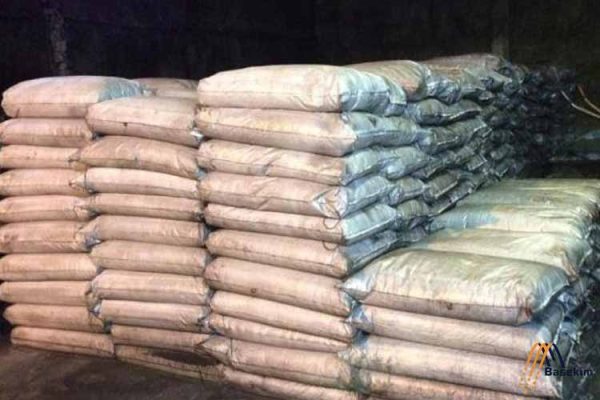
Gilsonite is sold in sacks, drums, or bulk containers depending on its form. Powder is packed in moisture-resistant bags, lumps in sturdy boxes or silos, and liquid in industrial tanks. Customers can order quantities from small samples to large shipments, ensuring flexibility for any project.
Request a Quote
Buyers can request a quote including the Gilsonite price, shipping, packaging, and specific grades or certifications. This helps plan procurement, secure bulk discounts, and ensure a consistent, authentic supply for industrial use.
FAQs:
1.What is the price of Gilsonite?
Prices vary based on grade, purity, and demand, typically ranging from $50 to $150 per ton.
2.Is Gilsonite radioactive?
No, Gilsonite is a hydrocarbon and does not contain radioactive elements.
3.How is Gilsonite mined?
It is extracted from vertical veins using modern mining techniques.
4.How to apply Gilsonite sealer on asphalt?
Apply using a brush, roller, or spray rig on a clean, dry surface, ensuring even coverage.
5.Can Gilsonite be used in cement?
Yes, it is an effective additive for oil well cementing, improving strength and impermeability.
6.How to clean Gilsonite stains?
Use solvents like mineral spirits for fresh stains, or abrasion methods for hardened marks.