
Bitumen Paint Uses: The Complete Practical Guide
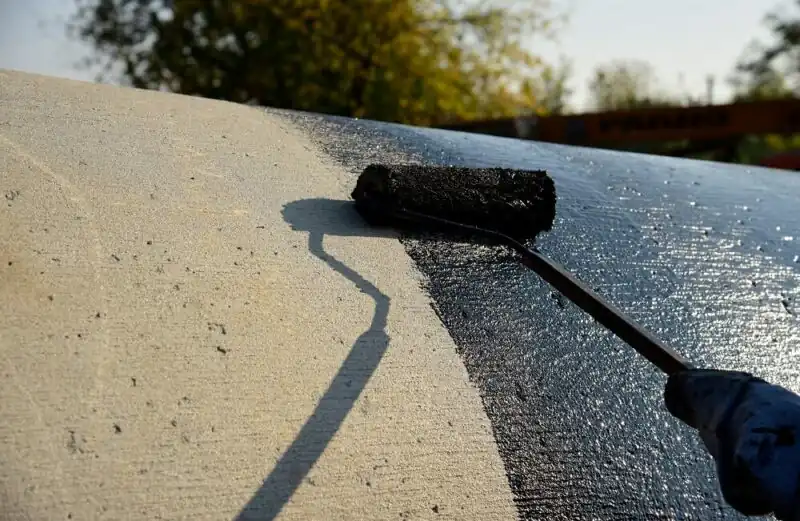
Bitumen paint is one of the most trusted protective coatings used in construction, marine, and industrial projects. It creates a strong, waterproof layer that keeps metal, wood, and concrete surfaces safe from moisture and corrosion. Because of its versatility and low cost, bitumen paint has become a popular choice for builders, homeowners, and engineers across the world.
In this article, you’ll learn about bitumen paint uses, its benefits, and how to apply it correctly on different surfaces such as wood, concrete, and metal.
What Is Bitumen Paint?
Bitumen paint is a black, glossy liquid made from refined bitumen mixed with solvents. Once applied, it dries to form a solid, flexible, and waterproof coating. The main purpose of this paint is to protect materials from water, chemicals, and rust.
It sticks well to most surfaces, which makes it suitable for a wide range of applications. Because bitumen is naturally resistant to water and weather, this paint works perfectly for both indoor and outdoor projects.
Common Bitumen Paint Applications
Let’s explore the most common bitumen paint uses in construction and maintenance projects.
1. Bitumen Paint Uses for Concrete
One of the most popular uses is on concrete. Bitumen paint for concrete acts as a waterproofing barrier that prevents water penetration and chemical damage. When applied to walls, basements, foundations, or water tanks, it stops leaks and moisture buildup.
It also prevents cracks caused by temperature changes. For example, if you apply it to a concrete roof or tank, it forms a tough layer that expands and contracts without breaking. As a result, the concrete stays strong and durable for many years.
Typical concrete uses:
-
Basement walls and foundations
-
Concrete water tanks and drains
-
Bridges, piers, and docks
-
Concrete roofs or terraces
Because it dries fast and adheres well, bitumen paint uses for concrete continue to grow in both residential and industrial projects.
2. Bitumen Paint Uses for Wood
Another great use is on wooden surfaces. Bitumen paint uses for wood include waterproofing fences, garden sheds, and wooden poles. Wood is naturally porous, which means it can absorb water and rot over time.
Applying bitumen paint seals the surface and keeps water out. In addition, it protects against fungal growth and insect damage. That’s why farmers often use it to coat fence posts or the base of wooden structures that touch the ground.
Main wood applications:
-
Garden fences and poles
-
Outdoor furniture and sheds
-
Wooden bridge decks
-
Boat decks and timber foundations
Because it dries to a dark glossy finish, it also gives wood a neat, professional look while keeping it safe from the elements.
3. Bitumen Paint Uses for Metal
Metal is strong but can easily rust when exposed to moisture or salt. Bitumen paint for metal creates a thick, protective film that blocks air and water from reaching the surface. It’s commonly used for pipelines, tanks, roofs, and marine structures.
In shipbuilding and steel works, bitumen paint plays an important role. It prevents corrosion and extends the lifespan of expensive metal parts.
Typical metal applications:
-
Steel pipes and water tanks
-
Vehicle chassis and underbody coating
-
Ship hulls and marine equipment
-
Iron gates, doors, and beams
Because it resists corrosion even in salty environments, it’s often chosen for coastal and offshore projects.
4. Bitumen Paint in Roofing and Waterproofing
Bitumen paint also provides excellent waterproofing for roofs. When applied on concrete, asbestos, or metal roofs, it prevents leaks and reduces heat penetration. In some cases, it can be used as a primer before applying other waterproofing layers or membranes.
Roofing experts often recommend bitumen paint for repairing old roofs, sealing cracks, and protecting gutters and downpipes. Because it reflects UV rays, it also helps reduce temperature buildup inside buildings.
5. Bitumen Paint for Foundations and Basements
Foundations and basements are constantly exposed to underground moisture. Bitumen paint for concrete foundations is a simple yet effective way to stop dampness from entering interior walls. It acts as a flexible barrier, keeping the foundation structure dry even in wet soil.
Contractors often use it along with bituminous membranes for complete protection. Once cured, it can last for many years without needing repair.
Advantages of Using Bitumen Paint
The reason bitumen paint uses are so common is because of its many advantages:
-
Waterproof: It forms a continuous, watertight coating that prevents leaks.
-
Corrosion-resistant: It protects metals from rust and oxidation.
-
Durable: The coating can withstand weather changes and mechanical stress.
-
Adhesive: It sticks easily to concrete, metal, and wood surfaces.
-
Affordable: It’s cheaper than many synthetic waterproofing solutions.
-
Easy to apply: You can use a brush, roller, or spray for quick coverage.
-
Fast-drying: It dries quickly, allowing faster project completion.
Because of these properties, bitumen paint uses keep expanding into new industries such as automotive, marine, and agricultural maintenance.
How to Apply Bitumen Paint Correctly
To get the best results, you must apply bitumen paint properly. Here’s a simple step-by-step guide:
-
Clean the surface: Remove dust, rust, oil, or old paint.
-
Dry completely: Bitumen paint doesn’t stick well to wet surfaces.
-
Mix well: Stir the paint before use to keep the consistency even.
-
Apply with brush or roller: Use thin, even coats. Two layers usually work best.
-
Wait for drying: Allow the first coat to dry before applying the second.
-
Inspect: Check for missed spots or bubbles and reapply if necessary.
Because it’s solvent-based, use it in a well-ventilated area and avoid open flames nearby.
Bitumen Paint vs. Other Protective Coatings
Although there are many waterproof paints, bitumen paint stands out due to its cost and effectiveness. Epoxy paints, for example, are stronger but more expensive. On the other hand, bitumen paint provides great protection at a much lower cost.
Also, its flexibility means it doesn’t crack easily, even under temperature changes. For large-scale construction or maintenance, this balance of price and performance makes bitumen paint a reliable choice.
Safety and Storage Tips
Because bitumen paint contains solvents, handle it carefully:
-
Always wear gloves and a mask when applying.
-
Keep away from heat and flames.
-
Store in a cool, dry place.
-
Dispose of leftover paint safely.
Following these steps helps ensure your safety and keeps the product in good condition for future use.
Final Thoughts
From protecting concrete, wood, and metal to sealing roofs and basements, bitumen paint uses cover a wide range of applications. Its waterproof, durable, and cost-effective nature makes it an essential material for both small and large projects.
Whether you’re coating a wooden fence, a concrete foundation, or a metal tank, bitumen paint will keep your surfaces protected for years. Simple to apply and highly effective, it remains one of the most trusted coatings in the construction world.