
The evolution of bitumen and asphalt technology has transformed the global construction landscape, providing smarter, cleaner, and more resilient solutions than ever. As urbanization accelerates and transportation networks grow, innovation in this industry has become critical. In this article, you will learn about the latest advancements influencing the future of road construction, pavement durability, and environmental sustainability. Continue reading to learn how new materials, scientific breakthroughs, and engineering techniques are redefining performance standards around the world.
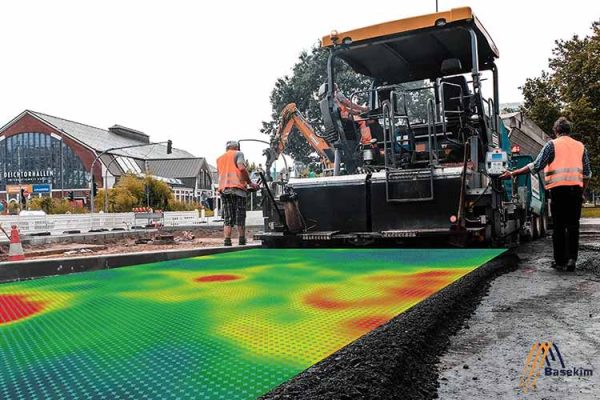
A new era of high-performance bitumen and asphalt
In recent years, the increased demand for long-lasting and cost-effective infrastructure has prompted researchers and manufacturers to reconsider conventional formulations. The end result is a new generation of bitumen and asphalt technology that prioritizes mechanical strength, climate resistance, and environmental impact. To achieve greater stability and performance, laboratories and industrial producers are now integrating nanomaterials, additives, and advanced processing techniques. Roads built with these materials are more resistant to rutting, fatigue cracking, and temperature variations, extending their service life and lowering long-term maintenance costs.
Asphalt is now a smarter and more adaptable material for modern infrastructure, thanks to advancements in modified binders, new polymer types, and improved mixing procedures. Whether in megacities, industrial zones, or high-traffic highways, these innovations ensure smoother surfaces and greater durability even in extreme environmental or operational conditions.
Polymer-modified bitumen and its Growing Importance
The development of polymer-modified bitumen (PMB) represents one of the most significant advances in bitumen and asphalt technology. PMB has significantly higher elasticity and deformation resistance when specific polymers like SBS, EVA, or crumb rubber are used. This makes it ideal for regions with extreme weather patterns or roads with high traffic volumes.
New production technologies also enable more precise control over binder properties. PMB now has more optimized viscosity and flexibility, which improves the overall quality of paved surfaces. These advanced formulations provide longer road life, improved driving comfort, and increased safety, particularly in areas with heavy trucks, airports, and large industrial vehicles.
Warm Mix Asphalt: A Sustainable and Energy-Saving Approach
Environmental considerations have become increasingly important in shaping the latest innovations. Warm Mix Asphalt (WMA) technology has emerged as a game changer, lowering mixing and compaction temperatures by nearly 30-40 degrees Celsius compared to traditional Hot Mix Asphalt.
Lower temperatures lead to less fuel consumption, fewer emissions, and a safer working environment for construction crews. Furthermore, WMA allows for longer transportation times, making it possible to pave in colder climates or in areas far from production plants. This technology supports global sustainability goals while providing superior moisture resistance and compaction efficiency.
Nanotechnology for Bitumen and Asphalt Development
Nanotechnology has created new opportunities for significantly improving material behavior at the microscopic level. Nano-clays, nano-silica, and carbon-based nanomaterials are being incorporated into binders to improve strength, thermal stability, and oxidation resistance. These advancements are among the most significant contributions to bitumen and asphalt technology in recent years.
These nano-enhanced binders bond better with aggregates and have a stronger internal structure. The end result is a more durable pavement surface that excels in high-temperature or high-load conditions. Nanotechnology also helps to slow the aging of bitumen, ensuring that roads remain flexible and reliable for many years.
Recycled Materials and Circular Economy Innovations.
Sustainability trends have promoted the use of recycled materials in asphalt production. Reclaimed asphalt pavement (RAP) and recycled asphalt shingles (RAS) are being used with surprising efficiency. Advanced rejuvenators restore aged bitumen in RAP, allowing producers to use higher percentages of recycled materials without sacrificing road quality, demonstrating the adaptability of bitumen and asphalt technology.
This approach promotes circular economy principles while significantly reducing material costs and environmental impact. Furthermore, new chemical additives have improved the compatibility of virgin binders with recycled components, allowing for environmentally friendly and structurally strong roads.
Smart Asphalt: Digital Monitoring with Embedded Sensors
The incorporation of smart technology into infrastructure represents a significant milestone. Smart asphalt uses embedded sensors to monitor temperature, moisture, load stress, and internal damage. This real-time data enables engineers to detect deterioration early and schedule preventive maintenance before major problems arise—one of the most significant technological breakthroughs in modern bitumen and asphalt technology.
Such innovations not only extend road life, but they also improve safety and reduce overall maintenance costs. Smart technologies are increasingly being used in critical highway segments, bridges, and airport runways to ensure peak performance and durability.
Innovative additives for climate-resistant asphalt
Climate change has presented new challenges to road construction companies worldwide. Extreme heat, freezing temperatures, and changing weather patterns necessitate more adaptable materials. Modern additives like anti-stripping agents, elastomers, and fiber reinforcements improve water resistance, elasticity, and structural integrity.
These additives help roads perform well in the face of tropical heat, heavy rainfall, and harsh winter conditions. By improving the chemical interaction between bitumen and aggregate, they prevent premature damage and significantly increase the lifespan of asphalt pavements.
Natural Minerals and Enhanced Binder Performance
Incorporating natural minerals into binder formulations has also broadened technological options. Minerals like limestone, basalt powder, and other microfillers help to improve stiffness, thermal conductivity, and overall performance. When combined with bitumen, Gilsonite, a well-known industry material, increases hardness, reduces deformation, and improves durability.
Producers frequently combine these minerals with engineered additives to create high-performance blends suitable for demanding applications. These mixtures retain structural strength in harsh environments like oilfields, mining routes, and high-traffic industrial corridors.
Enhanced grades and specialized formulations
Bitumen grade diversity is expanding as more specialized formulations are developed. Bitumen 80/100, for example, is still used in many infrastructure projects because of its balanced penetration value and versatile performance characteristics.
Modern refining technologies enable producers to provide more consistent grades tailored to specific climates and engineering requirements, representing yet another advancement in bitumen and asphalt technology.
As the market expands, construction companies look for binders that exhibit predictable behavior during mixing, laying, and long-term service. Advances in distillation, air-blowing processes, and blending techniques all help to improve quality control across all bitumen categories.
The Emergence of Smart Roads and Traffic-Adaptive Surfaces
The interaction between pavement materials and intelligent transportation systems has become more complex. Some modern road designs include surfaces that interact with vehicles, improve tire grip based on weather conditions, or increase visibility using light-reflective technologies. These innovations are based on highly engineered asphalt mixtures that provide exceptional stability and uniformity.
As cities adopt smart mobility systems, Advanced Asphalt Technologies help to improve overall transportation efficiency. Modern Bitumen Applications also promotes developments such as solar-absorbing pavements, noise-reducing surfaces, and heat-reflective coatings.
Future Trends and the Continuous Evolution of Asphalt Engineering.
The future of bitumen and asphalt technology promises more sustainable, intelligent, and long-lasting materials. The incorporation of green chemistry, artificial intelligence, and advanced manufacturing equipment will continue to enhance material capabilities. In the coming years, bitumen product performance will be enhanced by data-driven quality control, automated mixing plants, and high-precision testing standards.
Researchers are already investigating 3D-printed asphalt, energy-efficient pavements, and carbon-neutral binders. These emerging technologies will open up new possibilities for innovative road design and construction methods.
Conclusion
The rapid advancement of bitumen and asphalt technology has transformed how modern roads, highways, and industrial areas are constructed. Advances in materials science, sustainable production, smart monitoring systems, and specialized additives are propelling the industry toward stronger, more resilient, and environmentally conscious infrastructure. Each innovation helps to make pavements last longer and construction practices more efficient, shaping the future of transportation networks around the world.
BASEKIM Company is a bitumen manufacturer and exporter to the global market, offering various types of bitumen in multiple packaging formats that meet EN and ASTM standards. SGS, BV, Intertek, and Cotecna provide initial conformity approval for all products. To place an order or get advice, contact their expert team.